
The Art of Packaging Design: How to Win Over Consumers
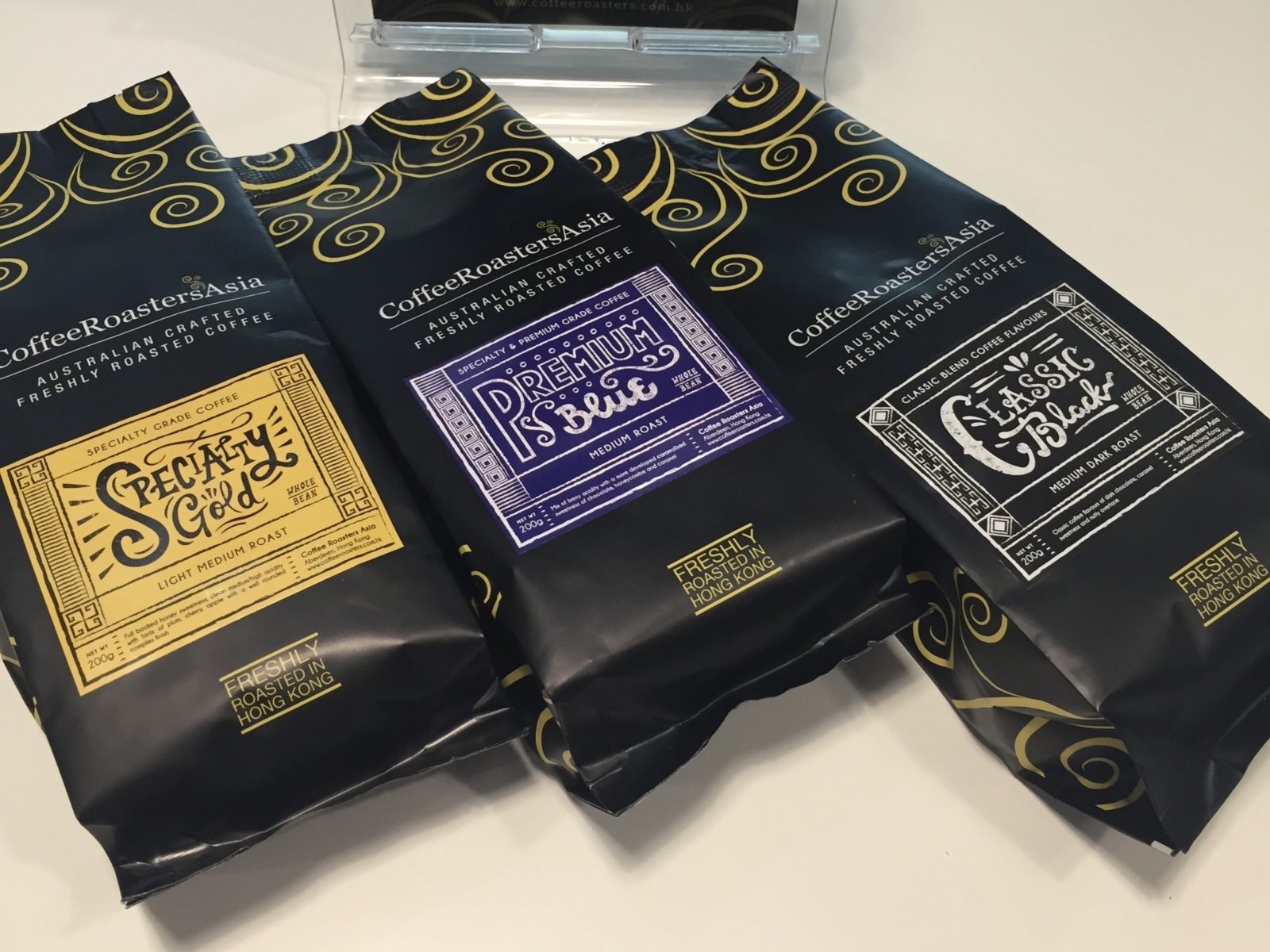
Packaging design is no longer just a protective wrapper — it's a silent salesman, storyteller, and key touchpoint in the consumer journey. At Designer2, we combine creativity, psychology, and sustainability to create packaging that deeply resonates with audiences. Here's how modern packaging design shapes brand success:
1. The Evolution of Packaging: From Function to Emotion
Historically, packaging was practical. Today, it's a field for innovation. Brands like Apple and Glossier have set standards by turning package opening into an experience. Trends dominating 2024:- Minimalist Aesthetics: Clean lines, muted colors, and bold typography.
- Sustainable Materials: Biodegradable inks, recycled paper, and reusable packaging.
- Interactive Elements: QR codes, augmented reality (AR), and tactile textures.
2. The Science Behind Memorable Packaging
- Color Psychology: Warm shades evoke emotions, cool ones suggest trust (e.g., healthcare brands).
- Shape and Ergonomics: Rounded edges for luxury, sharp corners for tech products.
- Storytelling: Packaging that reflects brand history or mission (e.g., Patagonia's eco stories).
3. Case Study: Design with Impact
In a recent project, we redesigned cosmetics packaging using 3D-printed molds and plant-based materials. Result? 40% increased shelf recognition and 25% more social media shares.4. How to Start with Packaging Design
- Define Your Audience: Gen Z values sustainability; millennials prefer practicality.
- Collaborate Early: Involve designers, engineers, and marketing teams in the creative process.
- Prototype: Use tools like Adobe Dimension for 3D models.
- Optimize for Logistics: Ensure packaging is practical for storage and delivery.